
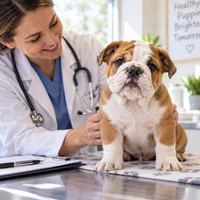
Your Puppy's First Vet Visit: When Should You Schedule It?
You brought your puppy home, introduced them to the family, took approximately 400 photos…and now it's time for another important first: their first visit to your veterinarian.
Even when your puppy appears completely healthy, scheduling an initial veterinary examination shortly after bringing them home is an important part of responsible puppy ownership.
How Soon Should Your New Puppy See a Veterinarian?
Don't wait several weeks to establish veterinary care.
Many breeders, puppy providers, and purchase agreements recommend that puppies be examined by a licensed veterinarian within the first few days after going home. If your puppy's paperwork specifies a particular timeframe—such as within 48 hours—be sure to follow those instructions.
One easy tip: schedule your veterinary appointment before you pick up your puppy.
That way, you're not scrambling to find an available appointment after your newest family member is already home.
Why Does a Healthy Puppy Need an Exam?
Your first veterinary visit is about much more than treating illness.
It's an opportunity for your veterinarian to examine your puppy from nose to tail and establish a baseline for their health as they grow.
Your veterinarian may discuss:
Your puppy's vaccination schedule
Parasite prevention
Flea and tick prevention
Heartworm prevention
Nutrition and feeding
Expected growth
Dental care
Potty training
Socialization
Spaying or neutering
Microchipping
Breed-specific health considerations
It's also the perfect opportunity to bring your list of new-puppy questions. Trust us—you'll probably have a few!
Bring Your Puppy's Records
Bring any health, vaccination, deworming, microchip, or other records you received when bringing home your puppy.
These records help your veterinarian understand which care your puppy has already received and what comes next.
Rather than assuming your puppy needs—or doesn't need—a particular vaccine or treatment, allow your veterinarian to review the documentation and create an individualized plan.
Be Careful Where Your Puppy Goes
Young puppies may not yet have completed their full vaccination series.
Ask your veterinarian when your puppy can safely visit public dog areas, dog parks, pet-friendly businesses, groomers, training environments, and other places where many dogs gather.
Socialization during puppyhood is important, but it should be done thoughtfully and with your veterinarian's guidance.
When Should You Call the Vet Sooner?
Don't wait for a scheduled wellness appointment if your puppy is showing concerning symptoms.
Contact your veterinarian if you notice changes such as persistent vomiting or diarrhea, refusal to eat, extreme lethargy, difficulty breathing, signs of pain, or another sudden change in your puppy's normal behavior.
When in doubt, call your veterinary office and describe what you're seeing.
Building Your Puppy's Team
Bringing home a puppy is exciting, but you don't have to figure everything out alone.
At Bark Street Puppies, our goal is to help families find happy, healthy puppies that fit their lifestyles and make the transition into puppy parenthood a positive one.
Then, establishing a relationship with a veterinarian gives you another valuable partner as your puppy grows from a tiny new arrival into your family's best friend.
Searching for puppies for sale in Jacksonville, FL? Visit Bark Street Puppies on Beach Boulevard or San Jose Boulevard and meet our available puppies.
OCTOBER BLOG #2
How Much Should You Feed Your Puppy? A Simple Guide for New Puppy Parents
One puppy inhales dinner in approximately twelve seconds.
Another eats three bites, gets distracted by a squeaky toy, and forgets the food bowl exists.
So how much should a puppy actually eat?
It's one of the most common questions new puppy parents have, and the answer depends on more than your puppy's appetite.
There Isn't One Feeding Amount for Every Puppy
The amount of food your puppy needs can depend on several factors, including:
Age
Current weight
Expected adult size
Breed
Activity level
Type of food
Calories per cup or serving
Body condition
Growth rate
Overall health
That's why telling every puppy owner to feed the same number of cups isn't appropriate.
The feeding guidelines printed on your puppy's food are a useful starting point, but your veterinarian can help determine whether the amount is appropriate for your individual puppy.
Start With the Food Your Puppy Already Knows
When you first bring your puppy home, maintaining some consistency can make the transition easier.
Continue feeding the food and schedule your puppy has been accustomed to unless you've been instructed otherwise.
If you decide to change foods later, talk with your veterinarian about gradually transitioning rather than making an abrupt switch.
How Often Should Puppies Eat?
Young puppies generally do better with smaller meals divided throughout the day rather than receiving one large meal.
Exactly how many meals your puppy needs depends on their age and individual health needs, so discuss the right schedule with your veterinarian.
Keeping meals relatively consistent can also help with potty training because puppies often need to eliminate shortly after eating.
Predictable meals can lead to more predictable potty breaks—which is a win for everyone.
Does Breed Size Matter?
Absolutely.
A toy-breed puppy and a large-breed puppy may have very different nutritional needs.
Small puppies have small stomachs and may require appropriately portioned meals throughout the day.
Large- and giant-breed puppies require nutrition that supports controlled, appropriate growth. Faster growth is not necessarily better, and simply feeding more food to make a puppy grow more quickly isn't the goal.
You want your puppy to grow at a healthy rate for their body and breed.
For that reason, ask your veterinarian whether your puppy should be eating a formula specifically designed for their expected adult size.
Watch Your Puppy, Not Just the Measuring Cup
Feeding instructions are helpful, but your puppy's body condition matters too.
As your puppy grows, their nutritional needs will change.
Your veterinarian can monitor your puppy's weight and growth at wellness visits and recommend adjustments when necessary.
If your puppy consistently leaves food behind, suddenly seems ravenously hungry, gains excessive weight, loses weight, or experiences ongoing digestive problems, talk with your veterinarian rather than simply increasing or decreasing their food on your own.
Treats Count Too!
Those tiny training treats add up.
Treats can be extremely helpful for training, but they still contribute calories to your puppy's daily intake.
Keep treats appropriately sized for your puppy and avoid allowing snacks and table food to replace balanced puppy nutrition.
Helping Families Find Their Perfect Puppy
Choosing your puppy is about much more than falling in love with a cute face.
At Bark Street Puppies, our team helps Jacksonville families learn about different breeds, personalities, and care needs so they can choose a puppy that fits their lifestyle.
We are committed to working with carefully vetted breeders and providing puppies with care, playtime, and socialization as they prepare for their forever homes.
Whether you're searching for a small companion puppy or a future adventure buddy, our team is here to help make the experience exciting, informative, and memorable.
Visit Bark Street Puppies at our Beach Boulevard or San Jose Boulevard locations in Jacksonville to meet our available puppies and find your new best friend.