
The Complete Guide to Flea and Tick Prevention for Puppies in Jacksonville
The Complete Guide to Flea and Tick Prevention for Puppies in Jacksonville
In many parts of the country, flea and tick season comes and goes with the weather. In Jacksonville, it barely takes a break. Warm temperatures and high humidity keep fleas and ticks active for most of the year, so protection should be part of your puppy's routine every month. Whether your days include walks around the neighborhood, trips to the beach, or time on wooded trails, the question isn't whether your puppy needs prevention. It's which type makes the most sense for your puppy and your family.
The three main categories are collars, topical treatments, and oral chews. Each works differently and has its own strengths and limitations. Here's what you need to know to make the right call.
How flea and tick prevention works
Most flea and tick preventatives work by distributing an active ingredient across your dog's body that either repels parasites, kills them on contact, or kills them after they bite. The delivery method determines how the ingredient is distributed and how long it remains effective. Some products target only fleas; others cover fleas, ticks, and additional parasites like mosquitoes or mites. Always check the label to confirm what a product actually protects against before purchasing. For puppies, also check the minimum age and weight requirements, since many products aren't approved for very young or very small dogs.
Flea and tick collars
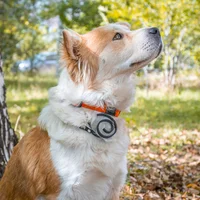
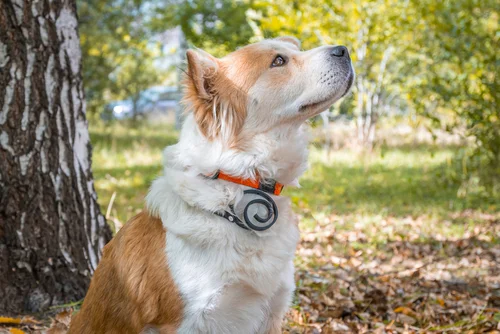
Flea and tick collars release active ingredients that spread across the skin and coat over time, providing extended protection, up to 8 months with modern collars. They're convenient, require no monthly application, and are generally water-resistant. That's a real advantage for Jacksonville puppies who spend time at the beach, the pool, or the river.
Collars do have limitations. They can irritate dogs with sensitive skin, and the active ingredient is most concentrated near the collar, with less reaching the tail. Some collars can also be a safety concern if a dog or child chews on them. If your puppy likes to chew at their collar, or you have young children who handle the puppy often, a collar may not be the best fit.

Topical Treatments
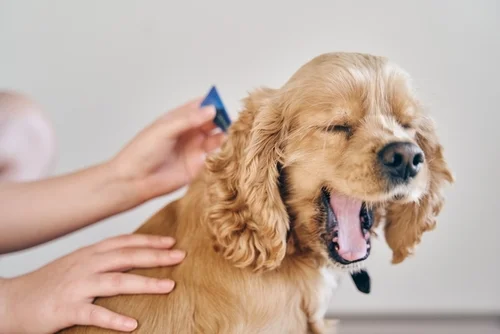
Topical treatments are one of the most widely used forms of flea and tick prevention. They work by spreading across the skin's oil glands over 24 to 48 hours and typically provide a month of protection. Topicals are a reliable monthly option for most dogs, but they take some management. The application site should stay dry for at least 24 to 48 hours, which can be tricky during Florida's afternoon rain showers or summer swim days. They can also leave a temporary greasy residue. In homes with multiple pets, keep animals apart for a few hours after application so one pet doesn't groom the product off another.
Oral Chews & Tablets
Oral chews have become increasingly popular over the last decade and are now among the most recommended options by veterinarians. Chewable preventatives work systemically; the active ingredient circulates in the dog's bloodstream and kills fleas and ticks after they bite, rather than repelling them or killing on contact. Most are flavored to taste like treats, which makes administration straightforward for most dogs.
Oral options are clean, easy to give, and unaffected by bathing or swimming since there is no surface application to wash off. The main consideration is that they require a prescription from a veterinarian in most cases, and because they work through the bloodstream, they are not ideal for dogs with certain health conditions or sensitivities. Your vet is the best resource for determining whether an oral chew is appropriate for your dog.
Choosing the Right Option
Your puppy's lifestyle matters most here. If your puppy swims often or gets frequent baths, an oral chew or collar is more practical than a topical that can wash off. If your puppy has sensitive skin, an oral option avoids surface chemicals entirely. If your puppy resists pills or chews, a topical or collar may be easier to give consistently. Whatever you choose, consistency matters most. In a climate like Jacksonville's, a skipped month can be all it takes for fleas to settle in. Setting a monthly reminder, or choosing a longer-lasting option, helps keep protection from lapsing.
Talk with your veterinarian about flea, tick, and heartworm prevention at your puppy's first visit, and plan for coverage all twelve months of the year. Not sure where to start? The team at Bark Street Puppies can walk you through the basics of keeping your puppy protected. Visit us at our San Jose Blvd or Beach Blvd location in Jacksonville.